AF4OZ · Station Journal
Alf 4 Oz
Information on radio antenna systems, hiking, and other fun interests of mine. AF4OZ is sometimes known around here as “Alf 4 Oz.”
Alf, referencing the late-1980s/early-1990s TV show; Oz, referencing The Marvelous Land of Oz (1904).

Latest entries
Station notes
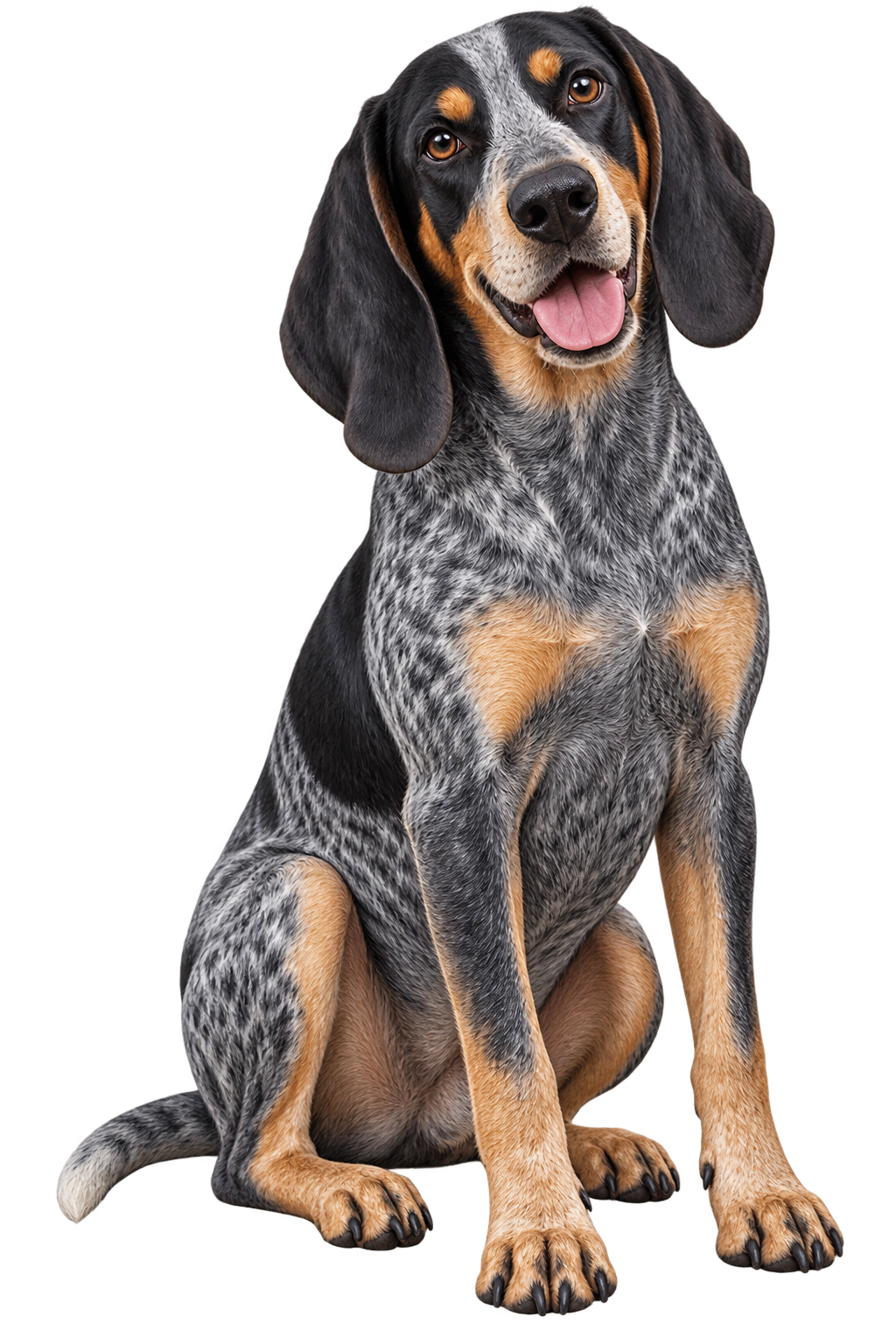
Entries are in order of old to new. I like it that way, doggone it.
General Antenna Suggestions and Philosophies
My starting thoughts on dipoles, resonance, SWR, antenna tuners, feed lines, and why there is no magical do-it-all antenna.
Read the first entry →End Fed OCF and EFHW
A technical comparison of two end-fed antenna personalities, with practical notes on feed lines, chokes, matching, and measurements.
Read the comparison →End Fed OCF and EFHW For Beginners
A plain-language guide to two ways of putting a wire in the air and getting on the air.
Read the beginner guide →MyAntenna
My EFHW and end-fed OCF experiments, the matching hardware, and what I learned while tuning them for my location.
Read the antenna notes →I've never used a counterpoise.
A small head slap, a return path, and why the coax has opinions
Read the return-path notes →Deploying an Off-Center-Fed Dipole Antenna for 160–6 Meters
Installing a Palomar Engineers OCF dipole 65 feet in the air, with long wire runs over the tree canopy.
Read the deployment notes →RigExpert STICK PRO Field Guide
A practical guide to the controls, antenna modes, cable tools, calibration, and field workflow for the STICK PRO analyzer.
Read the field guide →Comet CAA 500 Mark II Field Guide
A practical guide to the CAA 500 Mark II controls, SWR and impedance readings, resonance, sweep graphs, and field tuning workflow.
Read the field guide →Is FT8 Cheating? YOU ARE CHEATING!!
A lighthearted look at FT8, the long history of new-mode grumbling, and why every station has its advantages.
Read the FT8 notes →Location Matters: Why Your QTH Changes the DXCC Map
One distance, two starting points, and a simple look at how geography changes the DXCC map.
Read the DXCC comparison →Dipoles and Other Similar Antennas An Easy Guide
A playful but technically serious guide to seven wire antennas, including the off-center-fed dipole, with one Blue Tick hound supervising each antenna.
Read the easy guide →Dipoles and Other Similar Antennas The Nerd Version
A technical comparison of seven HF wire antenna systems: impedance, coax and balanced-line loss, matching, current balance, and measurement.
Read the technical guide →Vertical Antenna Ground System Performance
A detailed study of ground loss, buried radials, salt water, elevated counterpoises, takeoff angle, and how much accepted power can become ground heat.
Read the ground-system study →Fixed Four Radial Ground Condition Report
A controlled comparison of how poor, average, good, and salt-water ground conditions change loss when the same four ground radials are held constant.
Read the four-radial comparison →Quarter Wave Vertical Antennas at Saltwater Sites
A final technical report on RF returns, calm and rough sea reflection, radial systems, and comparisons with a conventional inland vertical.
Read the saltwater report →My Elevated Radial System for Home Use, Part 1
A lighthearted technical introduction to moving a home-station vertical’s return path out of the grass and into a practical elevated-radial system.
Preview the draft →My Elevated Radial System for Home Use, Part 2:
A practical, safety-conscious guide to starting heights, wire lengths, and a twenty-radial elevated fan for 20 through 10 meters.
Preview Part 2 →Practical HF Propagation Planning: Tennessee to Chatham Island and Bishkek
A practical, illustrated field guide to reading propagation tools and planning HF contacts from Tennessee to Chatham Island and Bishkek.
Read the propagation guide →The Theoretical Design of an 80-Meter Helically Wound Vertical Antenna
(to be built and tested by 2027 with plans coming)A preliminary design study of a compact 80-meter vertical, including the corrected winding calculation, candidate radial layouts, and the measurements still needed.
Read the antenna design →BuddiHEX Spar Repair Guide
Daniel AF4OZ’s illustrated repair account: damaged spar connectors, removal options, replacement ferrules, and elastic cord reassembly.
Read the repair guide →So, You’re Thinking About an HF Amplifier…
A friendly checklist on antennas, RF exposure, reception, electrical costs, battery power, and choosing enough amplifier power for your station.
Read the amplifier guide →Common-Mode Current: From Antenna to Shack
Follow unwanted RF along coax shields and grounding paths, compare choke placements, and consider multiple antennas and current measurements.
Read the common-mode guide →Living with the BuddiHEX
A first-person owner review of a useful directional antenna, with substantial caveats about usable mast height, setup time, mechanical wear, and repair costs.
Read the owner review →Setting Up the BuddiHEX
My ordered field method for preparing the Mastwerks support first, then building and raising the BuddiHEX.
Read the setup guide →ZS6BKW: A simple wire antenna that surprised me big time
A first-person build and purchase guide comparing the homebuilt antenna, Palomar’s 5 kW PEP prebuilt version, NI4L, and coax-loss estimates.
Read the ZS6BKW guide →DX Commander Antennas in the Tennessee Valley
A personal look at building and operating the DX Commander family in challenging Tennessee Valley terrain, with home and portable experiences.
Read the DX Commander story →You cannot eliminate common-mode current, but you can reduce it.
A seven-model HF common-mode choke comparison across 80 through 10 meters, with original manufacturer graphs, normalized comparison plots, and qualified guidance for 3 kW, 5 kW, and 10 kW classes.
Read the choke comparison →More Contacts, Less Smoke: A Beginner’s Guide to Balun and Choke Power Ratings
A cheerful, illustrated guide to power ratings, PEP versus average power, operating modes, mismatch, derating, and choosing baluns and chokes by their actual conditions.
Read the power ratings guide →High SWR Does Not Mean a Bad Antenna
Follow power through a matched tuner and mismatched coax, read forward and reflected meters, and see why a high SWR reading alone does not condemn an antenna.
Read the SWR guide →ABR Industries and Messi and Paoloni HF coaxial cable comparison
Compare 100-foot HF cable loss, flexibility and outdoor suitability, with the ABR HF curve clearly marked as an estimate.
Read the coax comparison →CQ Etiquette 101 — The Problems
Listen first, think second, then reply. A playful, illustrated look at the operating habits that turn HF contacts into mayhem.
Read the etiquette notes →Where the watts really go
An illustrated amateur radio reference following transmitter power through feed systems, operating modes, component heating, and RF exposure.
Read the power reference →Yaesu FTDX101MP FTDX10 and FT710 Beginner Receiving Guide
A practical, one-change-at-a-time SSB receiving sequence for antenna choice, gain, attenuation, WIDTH/SHIFT, NOTCH, CONTOUR, DNR, NB, VC-TUNE, and listening comparisons.
Read the receiving guide →Why the Bands Can Stay Open After Sunset
Why 10- and 15-meter paths can outlast ground sunset, what remains possible on 20 meters, and how to check conditions and monthly sunset landmarks.
Read the propagation guide →CQ WW SSB 2026: My First Time in This Contest
My first CQ WW SSB weekend: 321 contacts, 27 unique CQ zones, and six bands worked at my own pace.
Read the contest story →Oceania DX SSB: A Snail Race with a Wonderful Finish
Forty-four contacts, a patient pace, helpful Hamions, and a memorable 10-meter finish.
Read the contest recap →Antenna Polarization in Amateur Radio Skywave Propagation
Experimental evidence, ideal calculations, and practical guidance on what HF skywave changes—and what it does not establish.
Read the polarization report →HF Polarization — The Less Nerdy Version
A plain-language explanation of polarization, the ionosphere, common claims, and what operators can learn from measurements.
Read the beginner guide →Is an End-Fed Half-Wave a Good Antenna Compared with Other HF Antennas?
The complete measured-evidence review, 201 antenna model runs, all comparison tables, illustrated explanations, and a guide to choosing between my antennas.
Read the full antenna report →The fine print
A place for the interesting bits.
This journal is a running record of ideas, experiments, and lessons learned at the station and on the trail.